


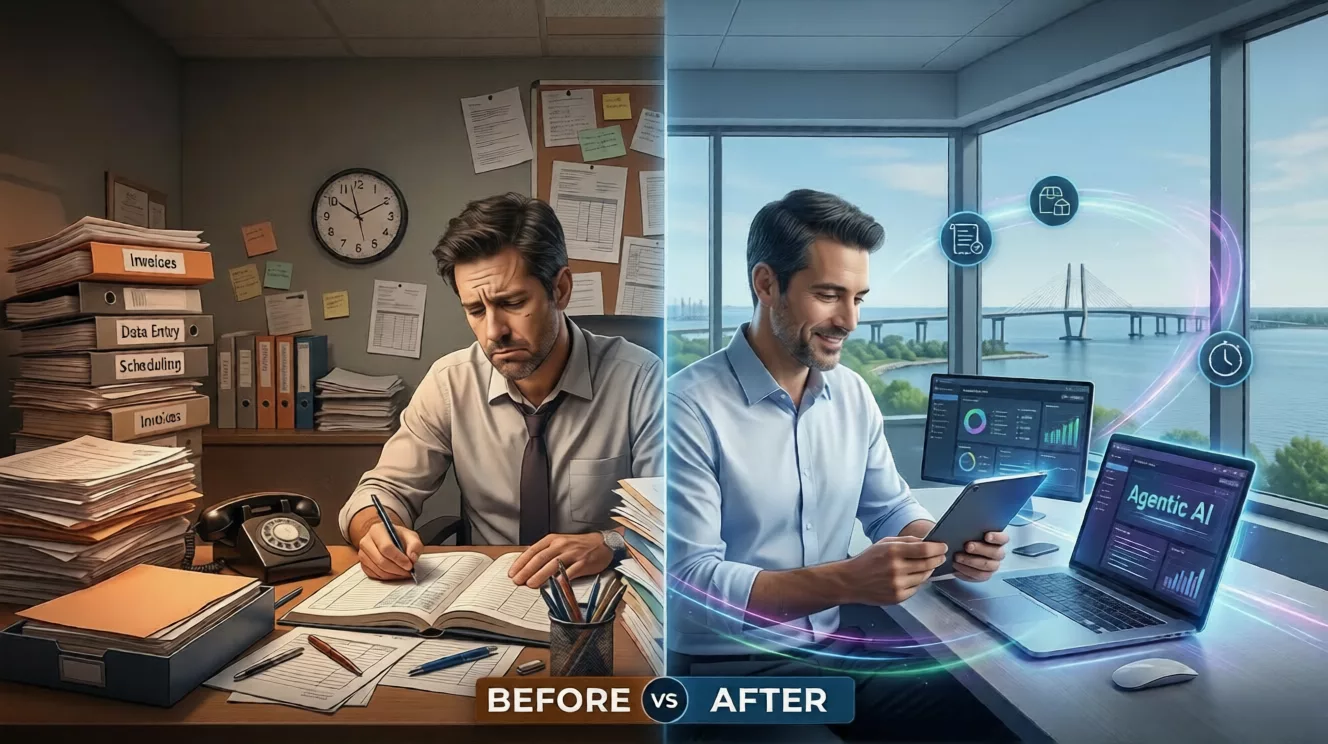
Many business owners are turning to AI automation Burlington to stop losing thousands of dollars every month to invisible administrative friction. While competitors along the QEW corridor adopt autonomous systems, many local firms remain trapped in manual data entry and repetitive scheduling. The true cost of manual work is not just the hourly wage paid to staff; it is the permanent loss of strategic growth opportunities.
Every hour spent reconciling invoices or manually updating customer records is an hour stolen from business development. In the high-stakes 2026 economy, the Halton Region labour market is tighter than ever before. Relying on human intervention for low-value tasks creates a bottleneck that stifles scalability and invites human error.
The solution lies in a localized, AI-driven operational framework designed specifically for the Ontario market. By integrating intelligent automation, Burlington entrepreneurs can reclaim up to fifteen hours of their work week. Modern AI tools allow small businesses to achieve the operational efficiency of a global corporation without the enterprise-level overhead.
2026 Industry Insight: The Shift to Agentic AI
Current Trend: In 2026, the focus has shifted from “Generative AI” (writing text) to “Agentic AI” (taking action). Small businesses are now using autonomous agents that don’t just suggest replies, but actually execute cross-platform tasks like inventory reordering and local logistics coordination. This allows a single operator to manage complex supply chains through the Burlington Chamber of Commerce network with minimal manual oversight.
What is Small Business AI Automation?
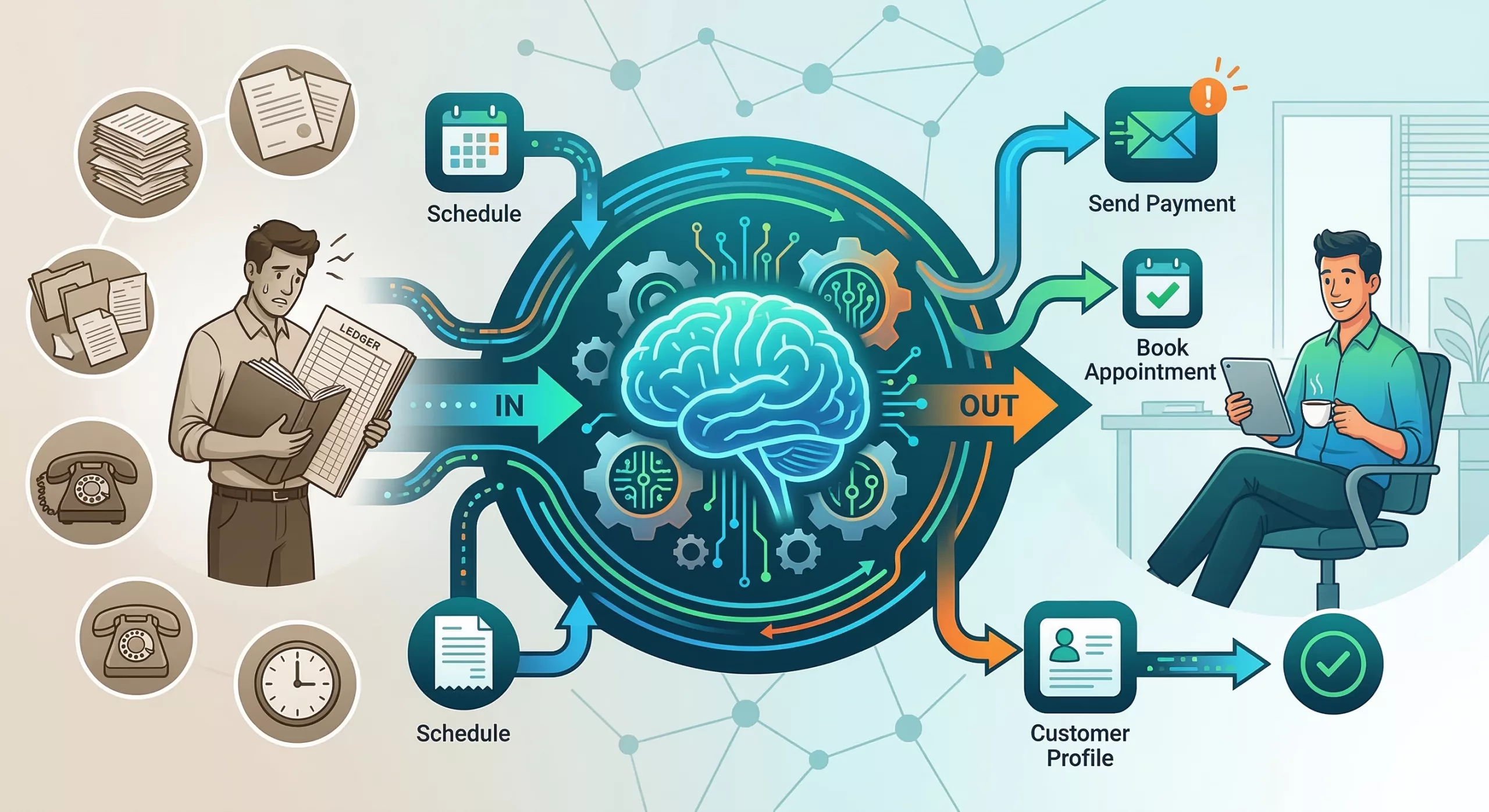
Small business AI automation is the use of software agents and machine learning to execute repetitive daily tasks without constant human supervision. It involves connecting your core business tools so they can share data and make logic-based decisions autonomously.
In 2026, this technology has evolved from simple “if-this-then-that” rules into cognitive workflows. For a firm in Downtown Burlington or the Orchard, this means systems that recognize an incoming Ontario Business Registry notification and automatically update internal compliance calendars. True automation ensures that your digital infrastructure works for you around the clock.
Implementing these systems requires a shift in mindset from “doing” to “architecting.” Instead of performing a task, the owner defines the outcome and monitors the AI as it handles the process. This transition is the primary differentiator between stagnant local shops and the high-growth firms currently scaling across Halton.
How to Access AI Grants and Funding in Ontario
You can access AI grants in Ontario through provincial programs like the Digital Main Street initiative and regional accelerators such as Innovation Factory. These bodies provide direct financial support and expert consultations to help small firms integrate autonomous workflows into their daily operations.
In 2026, the funding landscape has shifted toward specialized adoption. The Ignite AI Grant currently offers up to $20,000 for innovative companies to scale their AI solutions. Securing these funds requires a clear digital transformation plan that proves how AI will increase local employment or revenue.
For smaller retail or service-based firms, the Digital Main Street program remains a cornerstone resource. Their Digital Transformation Grant provides a $2,500 injection specifically for brick-and-mortar businesses to implement new technologies. Small businesses in the Halton Region should prioritize these “quick-win” grants to offset the initial costs of software subscriptions and staff training.
Local Resources: Burlington’s Innovation Ecosystem
Burlington entrepreneurs can find hands-on AI support at TechPlace, the city’s dedicated innovation centre located near the QEW. TechPlace provides a “Soft Landing” program and LaunchPad residencies that connect business owners with AI mentors and technical experts.
Beyond physical space, the Halton Region Small Business Centre offers “Starter Company Plus” grants and seasonal bootcamps. These programs are essential for learning how to navigate 2026 tax regulations and municipal compliance using automated tools.
Local networking through the Burlington Chamber of Commerce also plays a vital role. Peer-to-peer insights from other Burlington firms already using AI can prevent costly implementation mistakes and highlight regional vendor opportunities.

High-Impact Automation Use Cases for Local Sectors
Burlington’s professional services sector is using AI to automate document review and client intake. Legal and accounting firms in the Downtown core are deploying “AI agents” to handle routine Ontario Business Registry filings and compliance tracking.
The manufacturing and logistics hub along the QEW corridor utilizes AI for predictive maintenance and supply chain optimization. Local warehouses are implementing autonomous inventory systems that automatically reorder parts from GTA-based suppliers when stock hits a critical threshold.
Retailers in areas like Aldershot and The Orchard are automating customer service and personalized marketing. By using AI to analyze local purchasing patterns, Burlington shops can send automated, hyper-local promotions that drive foot traffic during off-peak hours.
The Transformation Bridge: Manual vs. Automated Operations
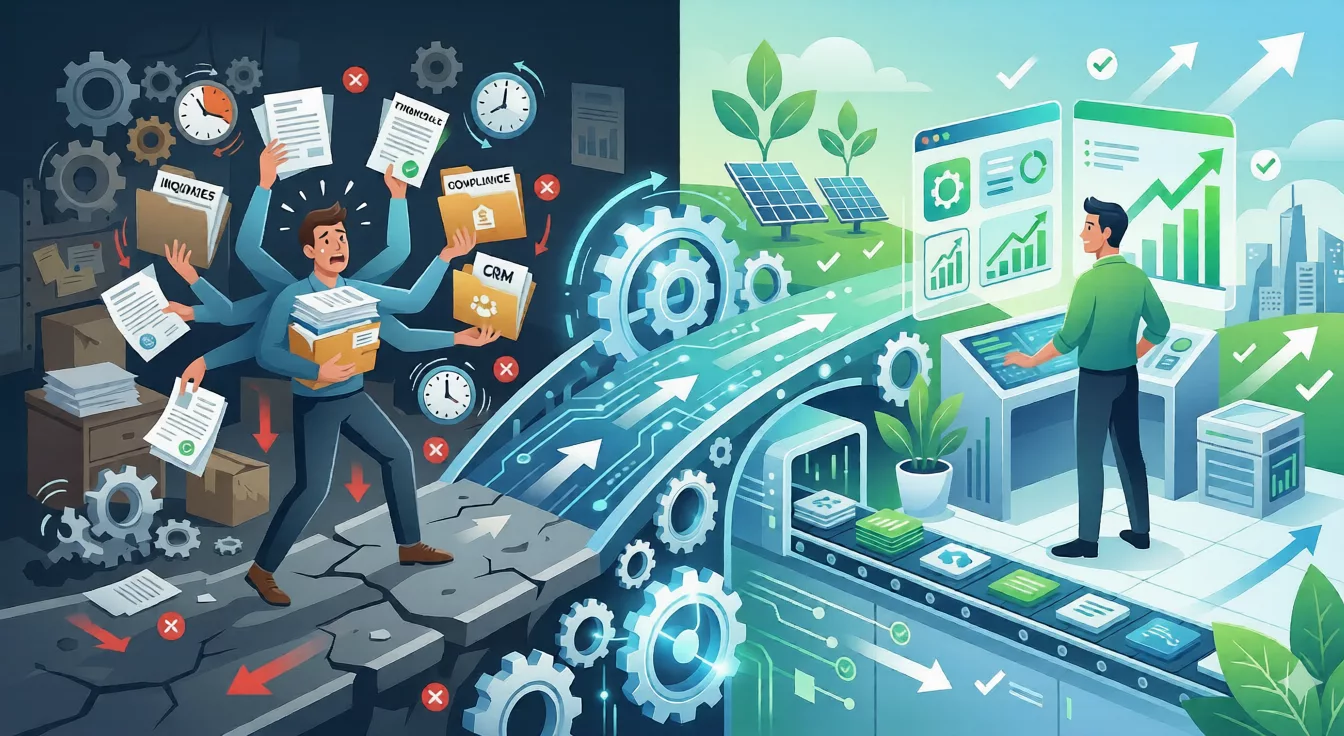
The difference between a manual Burlington business and an automated one is measured in recovered time and reduced overhead. A manual operation relies on the physical presence and constant attention of the owner to maintain basic administrative flow. In 2026, this model is unsustainable due to the rising costs of living and labour in the Halton Region.
Automated firms in Downtown Burlington use “headless” workflows to handle customer inquiries and lead generation while the owner focuses on high-level strategy. Instead of manually checking the Ontario Business Registry for compliance updates, an automated system pushes those alerts directly into a project management tool. This shift prevents the “owner bottleneck” that often stops small businesses from scaling beyond five employees.
Data accuracy is another critical area where the transformation becomes evident to your bottom line. Manual data entry carries an average error rate of 1% to 4%, which leads to costly tax filing mistakes with the Canada Revenue Agency. AI systems eliminate these discrepancies by syncing financial data across platforms in real-time without human intervention.
The 2026 AI Automation Stack (Comparison Table)
| Tool Category | Recommended Platform | Key Benefit for Burlington Firms | Local Integration Support |
| Financials | QuickBooks AI | Automated CRA tax categorization | High (Local CPA Network) |
| CRM/Sales | HubSpot AI | Predictive lead scoring for GTA prospects | Available via TechPlace |
| Operations | Zapier Central | Connects local delivery apps with inventory | Online / Self-Serve |
| Customer Service | Intercom Fin | 24/7 AI chat for local service inquiries | Remote / Agency Support |
Your 5-Step AI Implementation Checklist
- Audit Manual Tasks: Identify the top three repetitive tasks that steal at least five hours of your week.
- Check Grant Eligibility: Visit the Digital Main Street portal to see if you qualify for the $2,500 transformation grant.
- Data Centralization: Ensure your client and financial data is stored in a cloud-based format compatible with AI API integrations.
- Pilot a Single Agent: Start by automating one specific workflow, such as your invoice follow-ups or your Burlington Chamber event registrations.
- Staff Training: Use local resources like Innovation Factory to train your team on how to supervise AI agents rather than doing the work manually.
FAQ: Common Concerns for Burlington Entrepreneurs
How does the new 2026 Ontario AI disclosure law affect my small business?
Effective January 1, 2026, Burlington employers with 25 or more employees must disclose the use of AI in publicly advertised job postings under the Working for Workers Four Act. This mandate ensures transparency for job seekers and requires you to clearly state if automated systems are used to screen or select applicants.
Why should I worry about PIPEDA or PHIPA when using AI tools?
Canadian privacy laws require businesses to protect personal information and inform individuals when AI processes their data to ensure accountability. In 2026, the Information and Privacy Commissioner of Ontario emphasized that businesses remain liable for any privacy breaches or discriminatory outcomes caused by their AI vendors.
How can I find local training for AI automation in Burlington?
You can access in-person workshops at the TechPlace innovation hub or through the Burlington Chamber of Commerce professional development series. Organizations like Catils_inc offer one-day intensive AI training for SMEs right on North Service Road to help teams bridge the technical skills gap.
How do I apply for the $20,000 Ignite AI Grant in 2026?
To secure this funding, your business must be a for-profit entity registered in Ontario and submit a project plan that demonstrates measurable revenue or employment growth. The IION Ignite AI program operates in competitive intake periods, with the final 2026 application window closing in September.
Final Thoughts:
Automating your Burlington business is no longer a luxury; it is a 2026 survival requirement. By transitioning from manual bottlenecks to autonomous workflows, you reclaim the mental bandwidth needed to lead rather than just operate. The resources available through the Halton Region and provincial grant bodies provide the perfect entry point for any firm ready to scale.
The path to 100% efficiency starts with a single, disciplined step toward digital modernization. Small businesses that embrace these “Agentic” workflows today will be the ones defining the Burlington economic landscape for the next decade.
Your 5-Minute Automation Task: Open your calendar and find the one task you performed three times this week that required simple data copying. Research whether a “Zap” or a built-in AI assistant in your current software can handle that specific data transfer by next Monday. For more advanced support in scaling your local operations, visit our BusinessGoTo.ca Services Page to see how we help Ontario firms stay ahead.
- 2026 Industry Insight: The Shift to Agentic AI
- What is Small Business AI Automation?
- How to Access AI Grants and Funding in Ontario
- Local Resources: Burlington’s Innovation Ecosystem
- High-Impact Automation Use Cases for Local Sectors
- The Transformation Bridge: Manual vs. Automated Operations
- The 2026 AI Automation Stack (Comparison Table)
- Your 5-Step AI Implementation Checklist
- FAQ: Common Concerns for Burlington Entrepreneurs
- Final Thoughts: