



The year 2026 is shaping up to be a defining moment for small businesses. Swift advances in technology, shifting customer expectations, and maturing marketing channels are changing how companies operate and compete. For small business owners, staying informed about these changes is no longer optional. It is essential for long-term success.
From smarter automation to stronger customer relationships, the trends emerging this year present both challenges and opportunities. Businesses that adapt early will be better positioned to grow, build trust, and stand out in competitive markets. Below are the Top 5 Trends Small Businesses Should Watch in 2026.

1. Artificial Intelligence Becomes a Core Business Tool
Artificial intelligence has moved well beyond experimentation. Throughout 2026, it will become an everyday operational asset for small businesses across many industries. What was once considered advanced technology is now widely accessible through affordable tools and user-friendly platforms.
Small businesses are using AI to manage customer inquiries, analyze sales data, streamline scheduling, and assist with marketing content. These tools help reduce manual workloads, allowing owners and employees to focus on higher-value tasks such as strategy, customer relationships, and business growth.
AI is also improving decision-making. By identifying patterns in data, businesses can better understand customer behaviour, forecast demand, and adjust operations more effectively. Many small and medium-sized businesses report significant time savings each month by automating routine processes that previously required manual input.
As AI tools continue to improve, businesses that integrate them thoughtfully will gain efficiency, accuracy, and scalability. Moving forward in 2026, AI is shifting from an exclusive competitive advantage to a standard requirement for running a modern small business.

2. Sustainability and Local Sourcing Shape Buying Decisions
Sustainability is no longer a niche concern. Nowadays, it plays a central role in how customers evaluate brands and make purchasing decisions. Consumers are paying closer attention to environmental responsibility, ethical practices, and transparency throughout the supply chain.
Local sourcing is becoming especially valuable. Businesses that highlight locally produced goods, materials, or services often build stronger connections with customers who want to support their communities. Choosing local suppliers can also reduce transportation impacts while strengthening regional economies.
Beyond operational benefits, sustainability creates storytelling opportunities. Sharing how products are made, where materials come from, and who is involved in the process builds authenticity and trust. Customers increasingly expect brands to communicate these details clearly.
For small businesses, embracing sustainable practices is no longer just about social responsibility. It is a strategic decision that influences brand perception, customer loyalty, and long-term relevance.
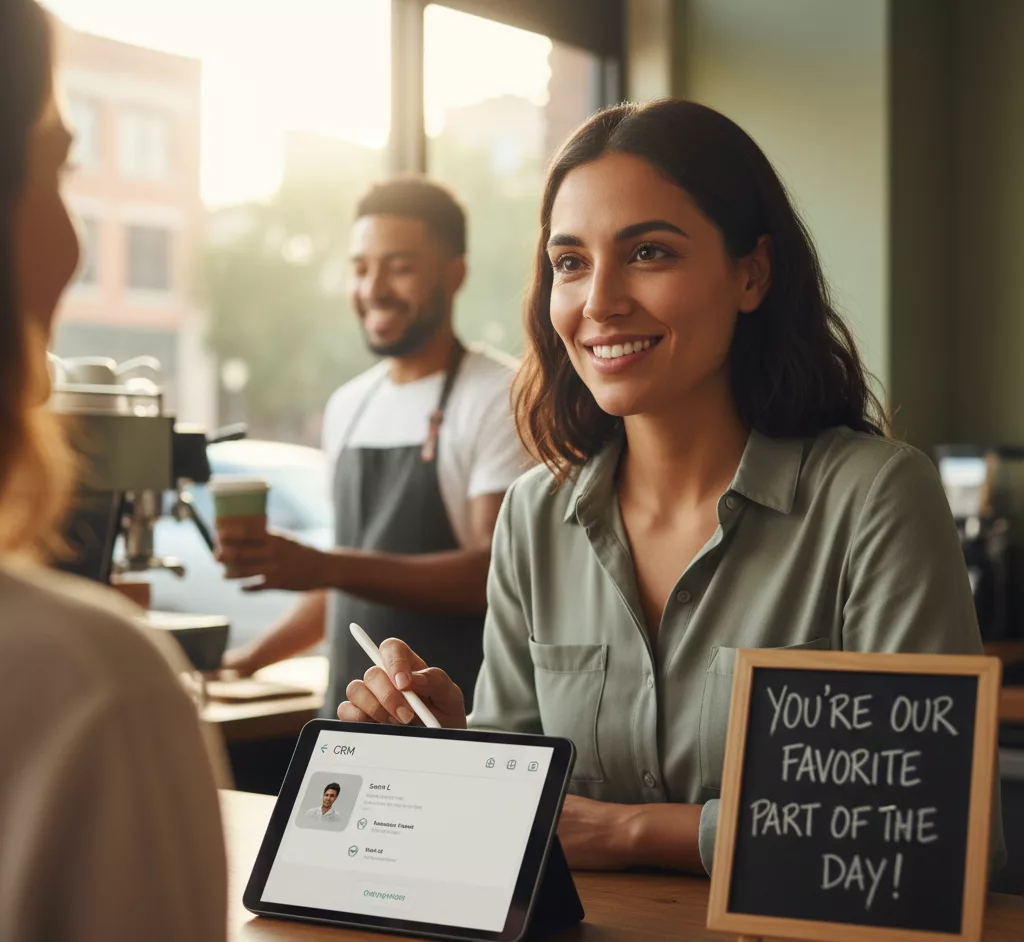
3. Personalized and Human Focused Experiences Stand Out
As automation and digital tools become more common, customers are placing greater value on human connection. While speed and convenience remain important, many people prefer interactions that feel personal, thoughtful, and sincere.
Small businesses are uniquely positioned to meet this demand. Unlike large corporations that rely heavily on automated systems, smaller teams can offer more attentive service. Remembering customer preferences, responding with care, and showing genuine appreciation can make a lasting impression.
Simple actions such as customized follow-up messages, friendly in-store interactions, or personalized recommendations can significantly enhance the customer experience. These moments help build emotional connections that encourage repeat business and referrals.
Businesses that combine modern technology with authentic human interaction will be the ones customers remember. Personal experiences are becoming one of the most powerful ways to differentiate a brand.

4. Nano Influencers and Customer Content Build Trust
Influencer marketing is evolving, and smaller creators are taking center stage. Nano influencers, who typically have smaller but highly engaged audiences, are becoming increasingly valuable for small businesses.
These creators often have strong relationships with their followers, which leads to higher trust and engagement. Collaborating with nano influencers allows businesses to reach niche audiences in a way that feels natural and credible rather than promotional.
At the same time, user-generated content is gaining importance. Customer reviews, social media posts, photos, and videos provide authentic social proof. When customers share their experiences, it creates organic marketing that feels genuine and relatable.
Encouraging customers to participate in content creation helps businesses build community and extend their reach without relying on large advertising budgets. During 2026, trust-driven marketing will outperform overly polished campaigns.
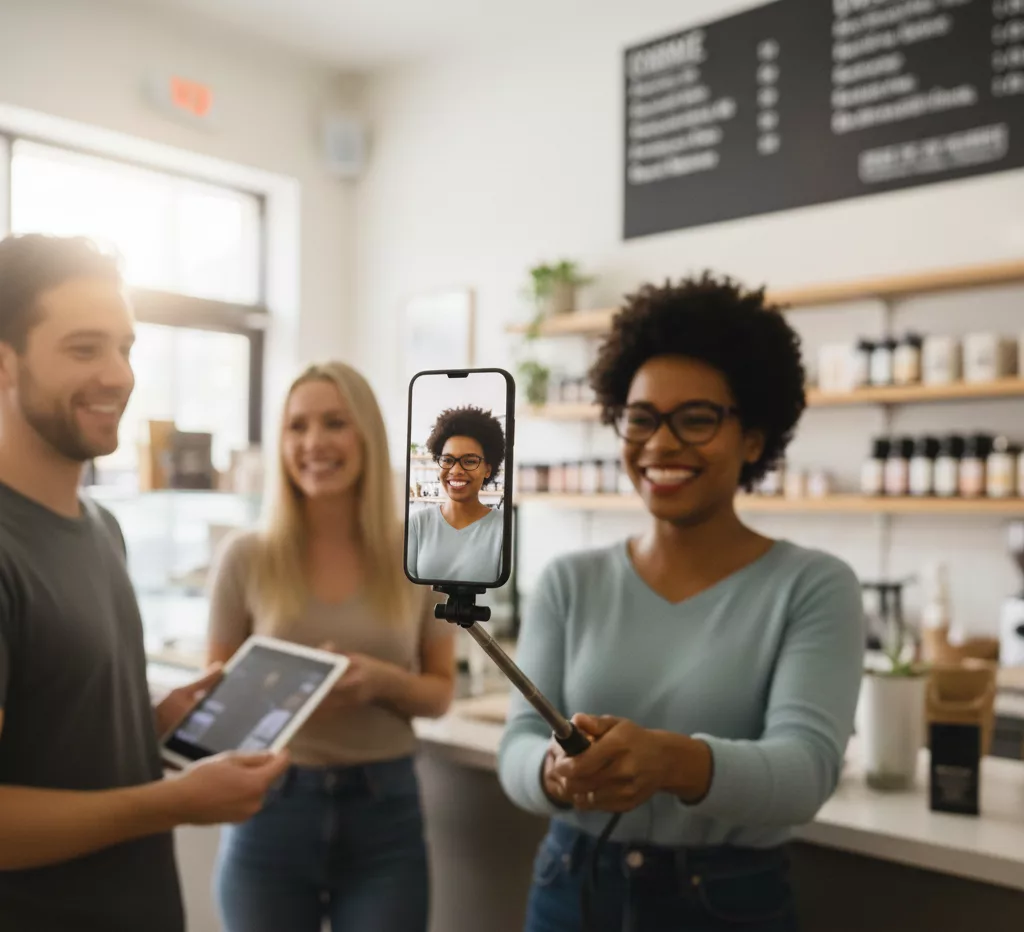
5. Video Becomes the Primary Marketing Format
Video continues to dominate digital platforms, and over the course of 2026, it is becoming essential for small business marketing strategies. Short and engaging videos are now one of the most effective ways to capture attention, communicate value, and connect emotionally with audiences.
Businesses are using video to demonstrate products, answer common questions, share behind-the-scenes moments, and highlight customer stories. These formats help humanize brands and make them more approachable.
Creating video content no longer requires expensive equipment or professional production. Authenticity matters more than perfection. Simple videos filmed on a smartphone can perform very well when they provide value or tell a compelling story.
Video content also supports search engine visibility and social media visibility, making it a powerful tool for both discovery and engagement. Small businesses that prioritize video at this time will have a stronger presence across digital channels.
Additional Trends Influencing Small Business Growth
Beyond these five key trends, several broader shifts are shaping the small business landscape. Online commerce continues to expand, with customers expecting seamless experiences across physical and digital channels. Data protection and cybersecurity are also becoming more critical as businesses handle increasing amounts of customer information.
Flexible work models are influencing how teams collaborate and operate, offering opportunities to improve efficiency and employee satisfaction. Adapting to these changes requires openness, planning, and a willingness to change.
The most successful businesses will be those that remain adaptable. Embracing innovation while staying true to core values allows small businesses to grow sustainably in a fast changing environment.
Final Thoughts
The future of small businesses throughout 2026 is defined by balance. Technology is reshaping operations, marketing, and decision-making, while customers are seeking authenticity, responsibility, and meaningful connections.
Artificial intelligence, sustainability, personalized experiences, trust-driven marketing, and video content are not passing trends. They are long-term shifts that will influence how businesses compete and grow.
Small business owners who stay informed and proactive will be better equipped to navigate these changes. By adopting the right tools, prioritizing customer relationships, and communicating values clearly, businesses can build resilience and thrive in the years ahead.
- 1. Artificial Intelligence Becomes a Core Business Tool
- 2. Sustainability and Local Sourcing Shape Buying Decisions
- 3. Personalized and Human Focused Experiences Stand Out
- 4. Nano Influencers and Customer Content Build Trust
- 5. Video Becomes the Primary Marketing Format
- Additional Trends Influencing Small Business Growth
- Final Thoughts